Studio 303, Mile Zero Dance (MZD) and Plastic Orchid Factory (POF) are coming together for RELAY—a joint initiative that nurtures artistic creation, fosters local dialogue and exchange, and expands touring opportunities across Canada. RELAY mirrors the natural flow of an artistic process—researching, creating, and producing—each phase unfolding in a different city at a distinct moment.
Three propositions have been selected (one per city) through a call for submission. Each selected artist received a budget ($7,500/proposition) to cover the artistic fees and travelling costs. The transitions between the phases (see section Timeline) remain intentionally porous, allowing space for ideas to shift and evolve organically. RELAY is made possible with the support of the CanDance Network’s Creative Exchange Project program.
Selected artists
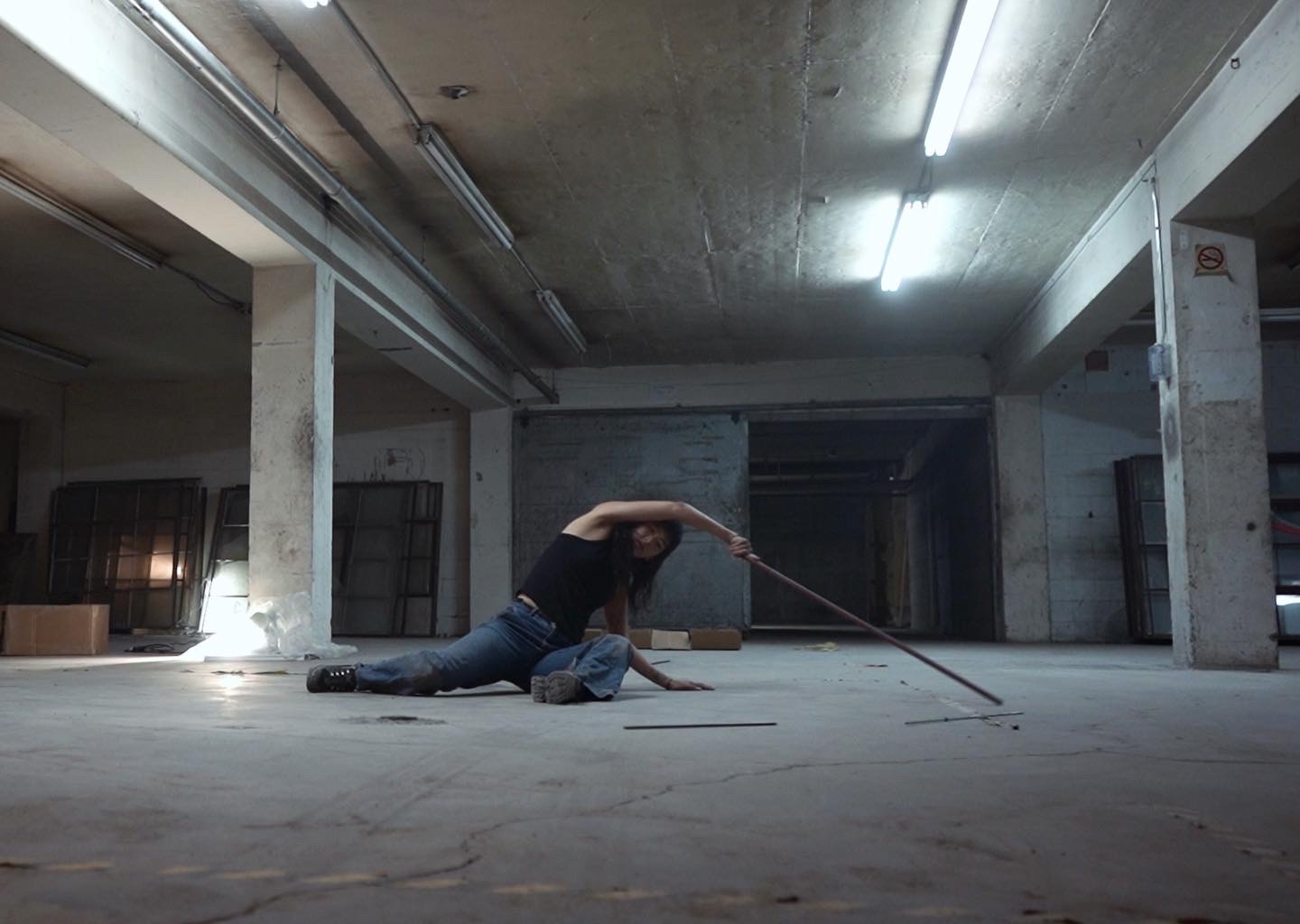
Camille Huang
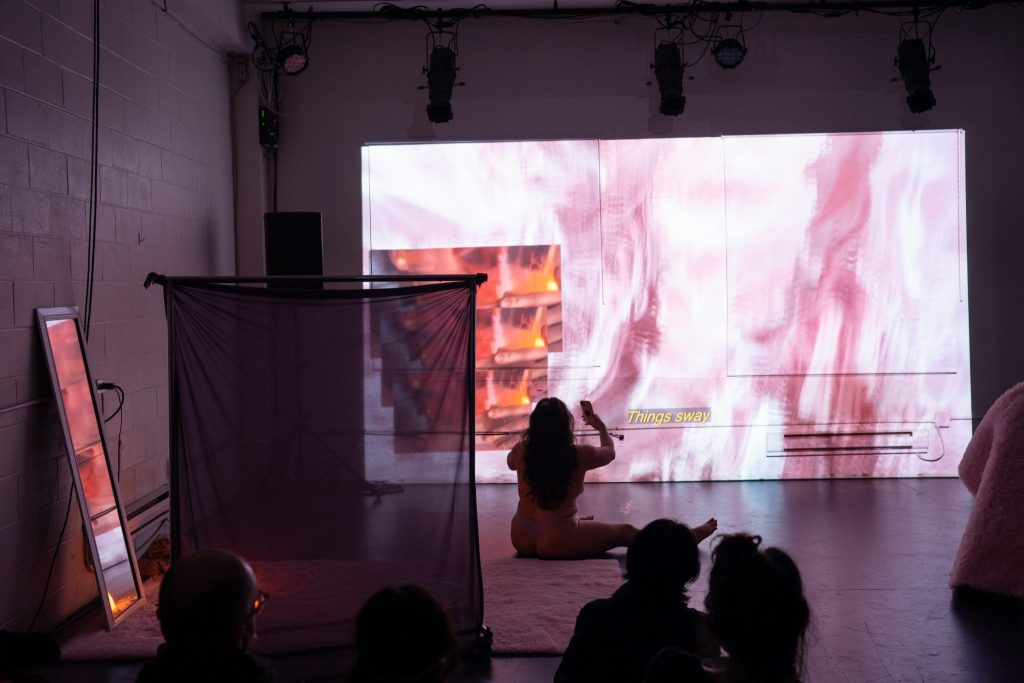
Kate Ramsden
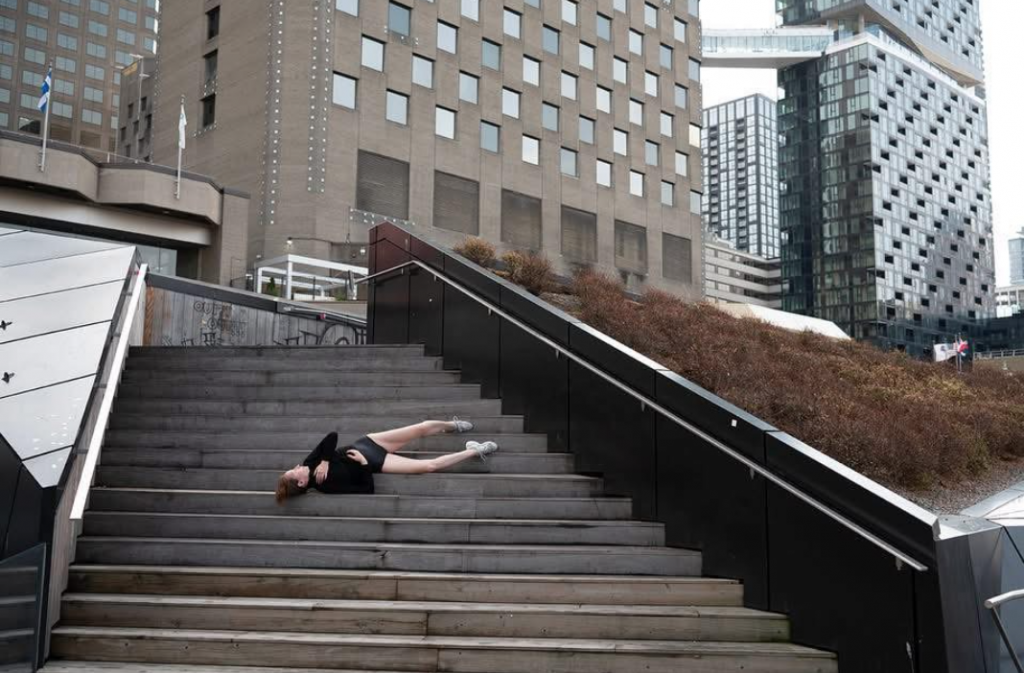
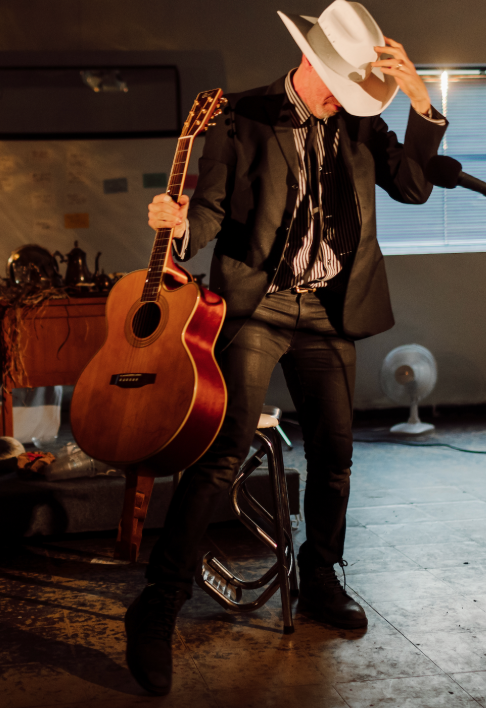
Stephanie Cumming & Chris Bullough
Timeline
Tio’tia:ke – Mooniyang – Montreal, Studio 303
Research residency, November 18-25, 2025; followed by an informal presentation at SPARK Series during Parcours Danse, November 26, 2025.
Musqueam, Squamish and Tsleil-Waututh Territories – Vancouver, Plastic Orchid Factory Creation residency and tech time, Jan 24-31, 2026; with experiment-in-process performances at Left of PuSh, Jan 28 & 31, 2026
ᐊᒥᐢᑿᒌᐚᐢᑲᐦᐃᑲᐣ (Amiskwacîwâskahikan) Treaty 6 – Edmonton, Mile Zero Dance
One-week residency including tech, July 10-17, 2026 as part of “The Magpie Collection: A Dance Festival” with showing and artist talk back on July 17, 2026
Artists & projects
Camille Huang / Puncture and Pull
Puncture and Pull is an inquiry on contact between the body and the ‘puncture and pull’ of the sewing machine. Objects, sound and dance converge to explore gendered attributions surrounding repetition, touch, machinery and its parts. The performer works with gestures haunted by a physical intimacy and industry. Describing the motion of a sewing needle, “puncture and pull” also has an unlikely convergence with a chewing mechanism of predatory animals. The body becomes charged with pattern, pull, insistence, and a fleshy intertwining with machine histories.
Kait Ramsden / Do You Love Me?
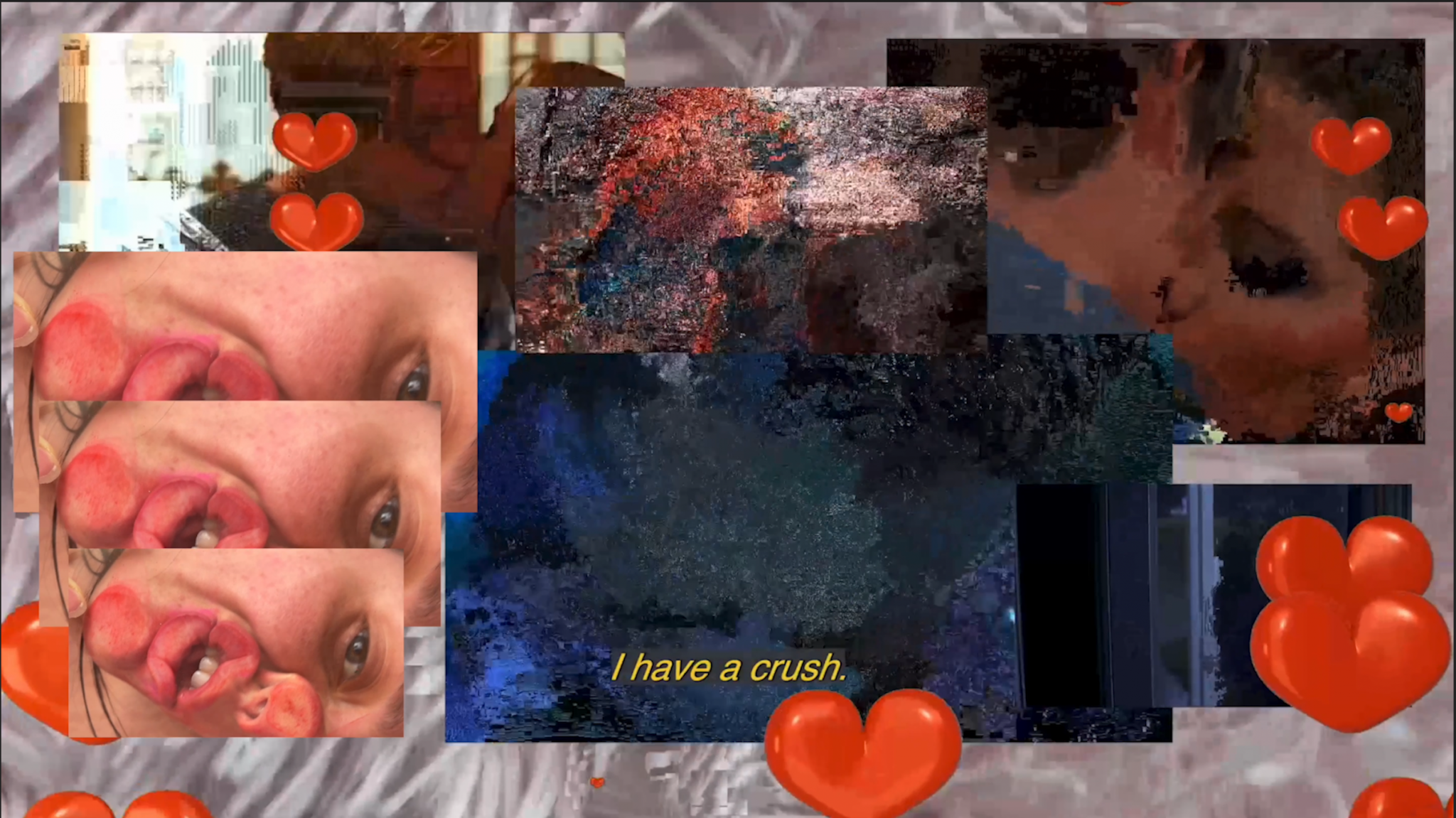
Do You Love Me? is an interdisciplinary performance that explores the intersection of female desire and its censorship – particularly how the female body and its sexual agency are controlled, fragmented, and repressed by digital and societal forces. Do You Love Me? wonders: which fantasies serve to enliven a sense of self and which dismantle it? Through live video mixing, contemporary dance, datamoshing, poetry, and sound, DYLM interrogates how desire itself becomes a source of censorship, not only through the overt objectification of women in media but also through the insidious ways in which the female form is kept from its wholeness, its full visibility, and autonomy.
Stephanie Cumming & Chris Bullough / fort
Both Chris Bullough and Stephanie Cumming grew up in Fort McMurray, Alberta in the 80’s and early to mid 90’s. Despite its negative portrayal in the global media, it was a culturally vibrant albeit isolated place to grow up. They belong to a generation whose formative training in Fort McMurray laid the groundwork for an array of successful careers in dance, theatre, opera, screenwriting, and pop music, just to name a few. As teenagers in the 90’s they weren’t aware of the environmental impact of the oil sands industry. Generous arts funding ensured that they had access to arts education such as ballet, music and stage experience in a professional level community theatre.
Now, over thirty years later, Chris and Stephanie have reconnected out of a desire to collectively revisit their past and process the ambivalence they share about where they grew up and the confrontation that exists with their present realities of living as artists in a climate which is increasingly hostile to creativity. In a culture that values profit, where does the value of the artist lay? Chris and Stephanie grapple with these questions and in the process analyze those formative years that inspired them to become artists in the first place. Through their combined experience in various mediums and places, they attempt to find a common language that conveys the shared history they want to remember, the stories they want to tell and the conflicting realities of artistic work.