
Denise Fujiwara – Zen and the Art of Butoh
09 ⇾ Nov. 13 2026 (Monday – Friday)
09:30 to 13:30
Weekly rate:$130
Drop-in:$36
French
#Creative process
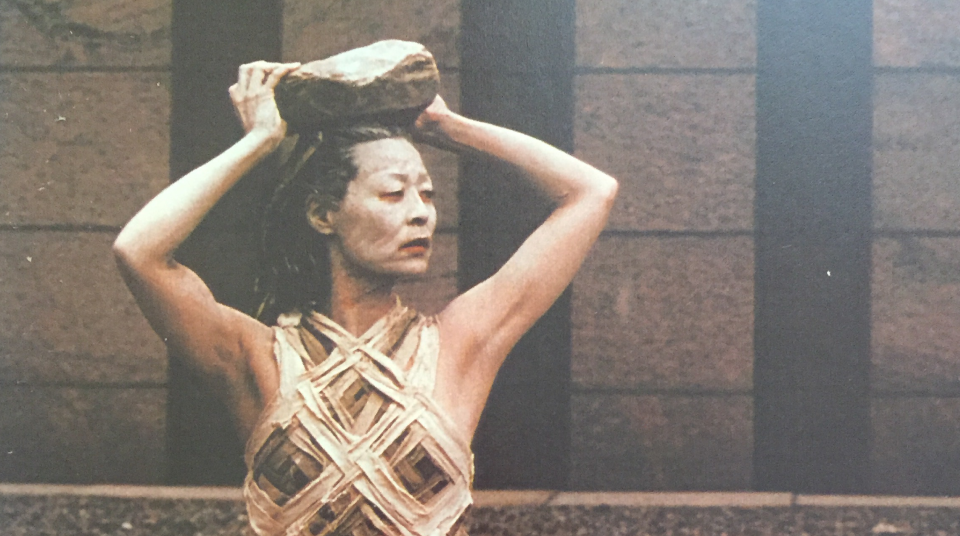
© National Gallery of Canada
Objective
Zen and Butoh practice are entwined. To dance and understand Butoh with depth, it is useful to understand the principles and insights of Zen that are embedded within it. Many of these ideas will seem paradoxical at the outset, but applied to embodied practice, they can open us to possibilities and freedom in our creative pursuits, and honesty in our performance.
Content
Using Zen principles, we will practice advanced fundamentals of Butoh. This can sound paradoxical, but Zen gives us keys to access the embodied processes that can deepen one’s practice of butoh; to cultivate resources for improvisational creation and performance skills that allow even simple movement to become alive and meaningful.
Workshop Rhythm
Accessibility Features
Biography
Denise Fujiwara‘s work has developed over 47 years of investigation into the art of choreography and the practice of dance. Her most influential mentors include the late Japanese Butoh masters Natsu Nakajima and Yukio Waguri, master dramaturg Elizabeth Langley, and Roshi John Tarrant in Zen koan practice. Her diverse body of work includes EUNOIA, a very verbal, conceptual dance work nominated for three Doras, and Noppera-bo, created with filmmaker William Yong, which won a One-Reeler Short Film Competition 2020 Award of Excellence in Los Angeles. She has performed and taught across Canada and the U.S.A., in Denmark, Poland, Germany, the U.K., Costa Rica, Colombia, Ecuador, Japan and India. She worked with Jacob Elordi in his interpretation of the Creature in Guillermo delToro’s film, Frankenstein. Denise is a recipient of the Canada Council’s Walter Carsen Prize for Excellence in the Performing Arts and distinguished career achievement
“A wonderful workshop. Good for the body, mind, and soul. The workshop is incredibly enriching and opens your eyes to a bright, appreciative perspective on humanity and the cyclical nature of the universe.”
— Zuka Charette
Partners
This workshop is supported by the Conseil de la formation continue arts et culture de Montréal (CFC) in collaboration with Studio 303. The CFC’s continuing education activities are supported by the Intervention-Compétences program, thanks to the financial participation of the Quebec government.